Survey finds 54.5% of desk workers without guidance, with many turning to unapproved tools
A majority of UK desk workers are operating without clear guidance on artificial intelligence at work, with new research indicating the gap is affecting hiring decisions, productivity, and data oversight.
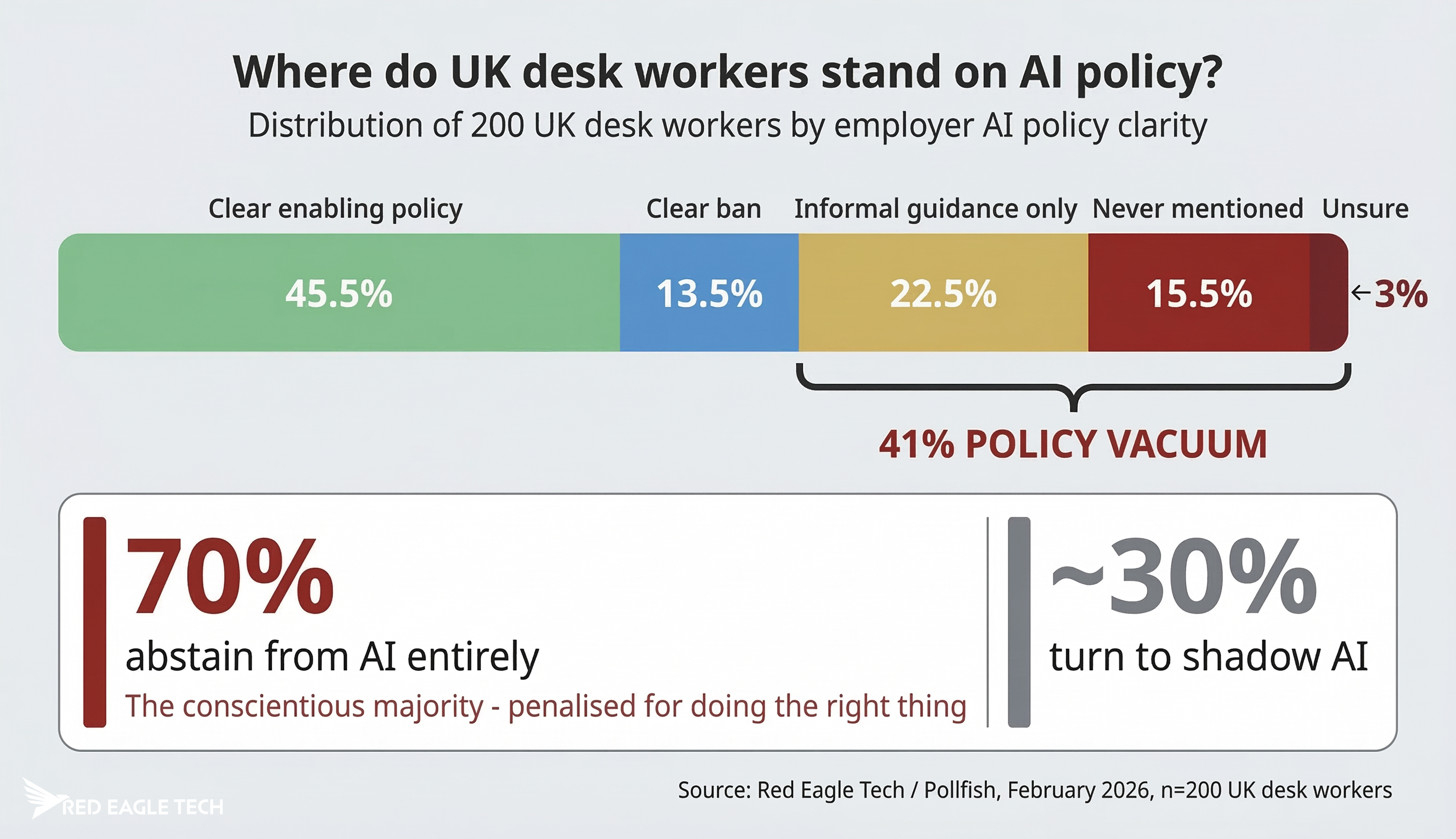
A survey of 200 full-time office and administrative workers by Red Eagle Tech found that 54.5% do not have a clear, enabling policy from their employer on how to use AI tools. Within that group, 41% said AI has never been formally addressed or is discussed only through informal conversations.

The findings point to what the company describes as an “AI permission gap”, where employees are familiar with AI in their personal lives yet remain unsure about its use in the workplace. The report argues that the issue lies with leadership decisions rather than employee capability.
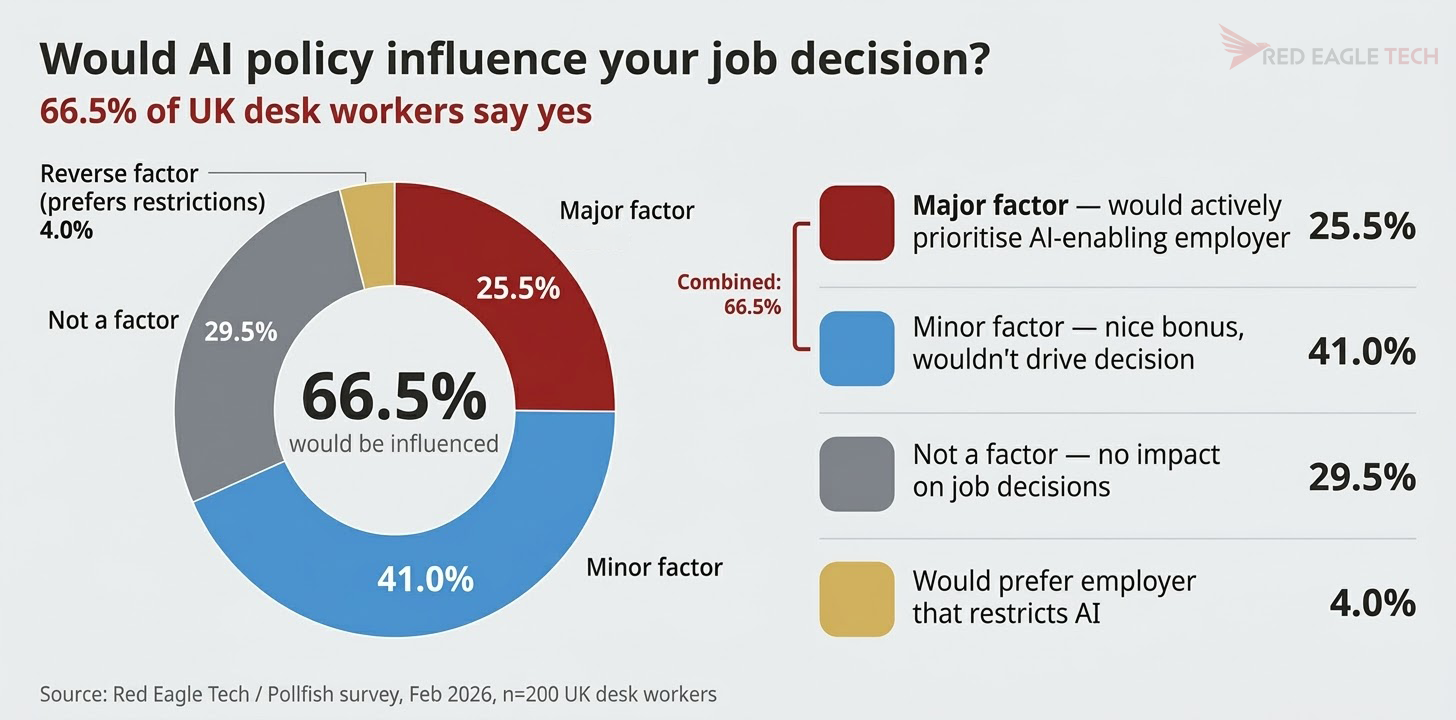
The research highlights a link between AI policies and recruitment. Some 66.5% of respondents said a prospective employer’s approach to AI tools would influence whether they accept a job offer. A total of 25.5% described it as a major factor, stating they would favour organisations that provide approved tools and avoid those that restrict access.
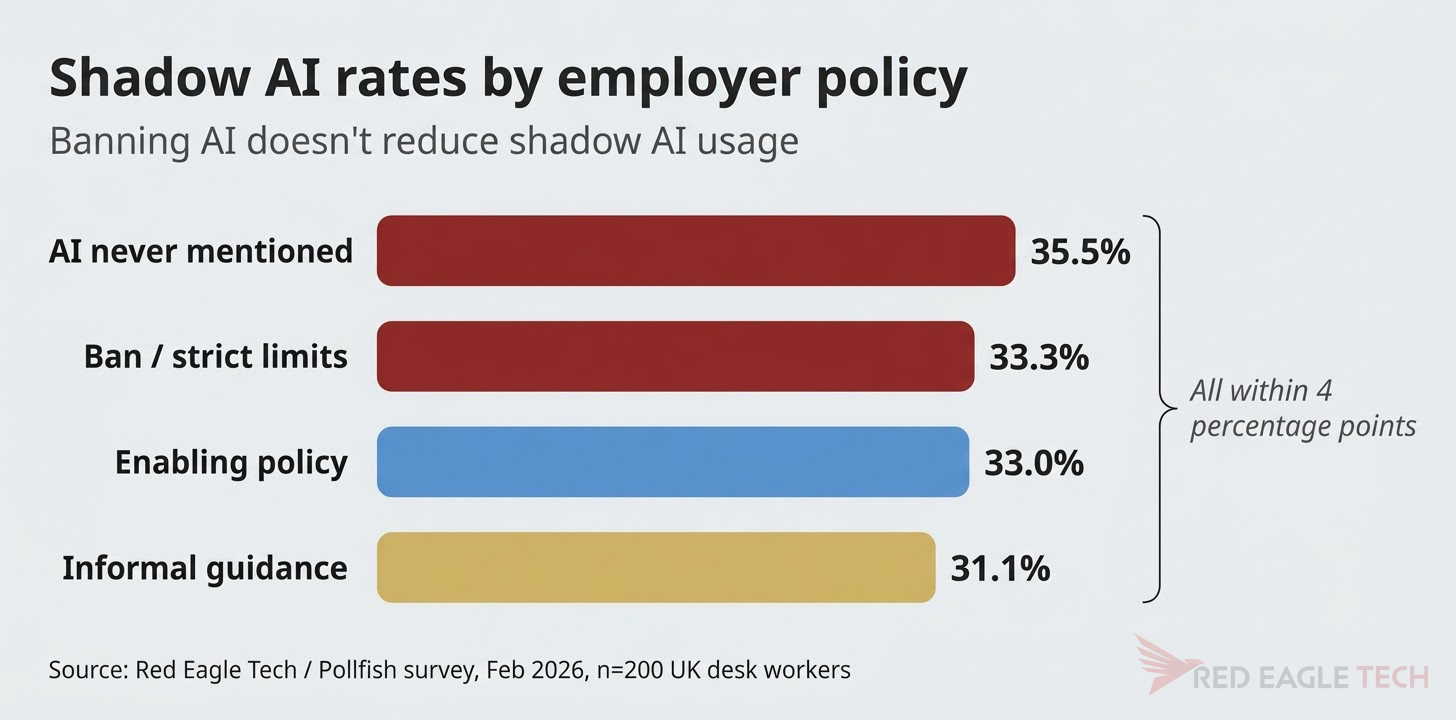
Unapproved use of AI tools remains widespread. Across all respondents, 32% admitted using consumer AI tools for work tasks without employer knowledge. Among organisations that have strict bans in place, usage remains similar at 33.3%, suggesting restrictions do not reduce adoption.

Even in workplaces with clear policies, 33% of employees reported using unapproved tools, a pattern the report attributes to limitations in generic corporate AI systems that do not connect with existing databases or workflows.
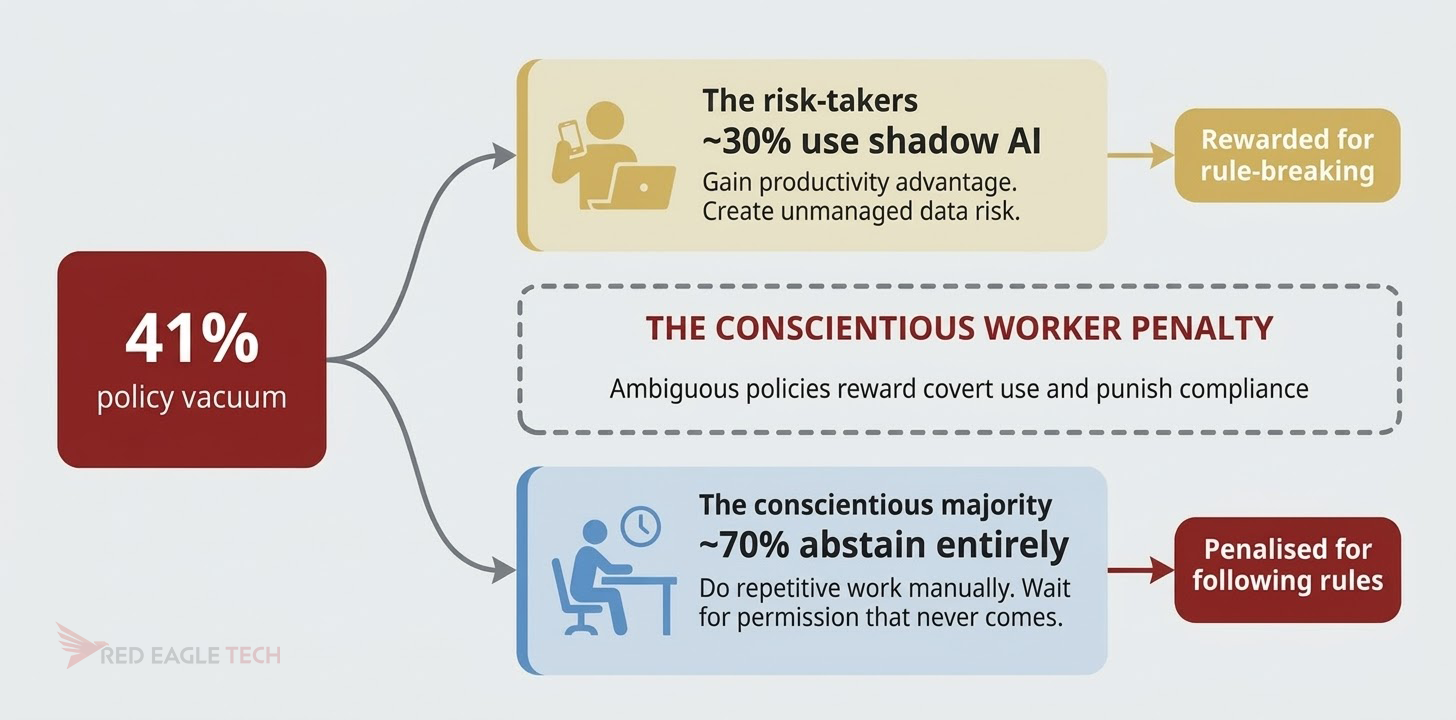
The absence of clear guidance appears to divide behaviour among staff. The research estimates that around 30% of workers in organisations without policies turn to unapproved tools to improve efficiency. The remaining 70% avoid AI altogether, leaving them reliant on manual processes.
Kat Korson, director at Red Eagle Tech, said the lack of direction creates uneven outcomes within teams. She said that employees willing to take risks continue using AI tools without oversight, while more cautious staff miss out on productivity gains.
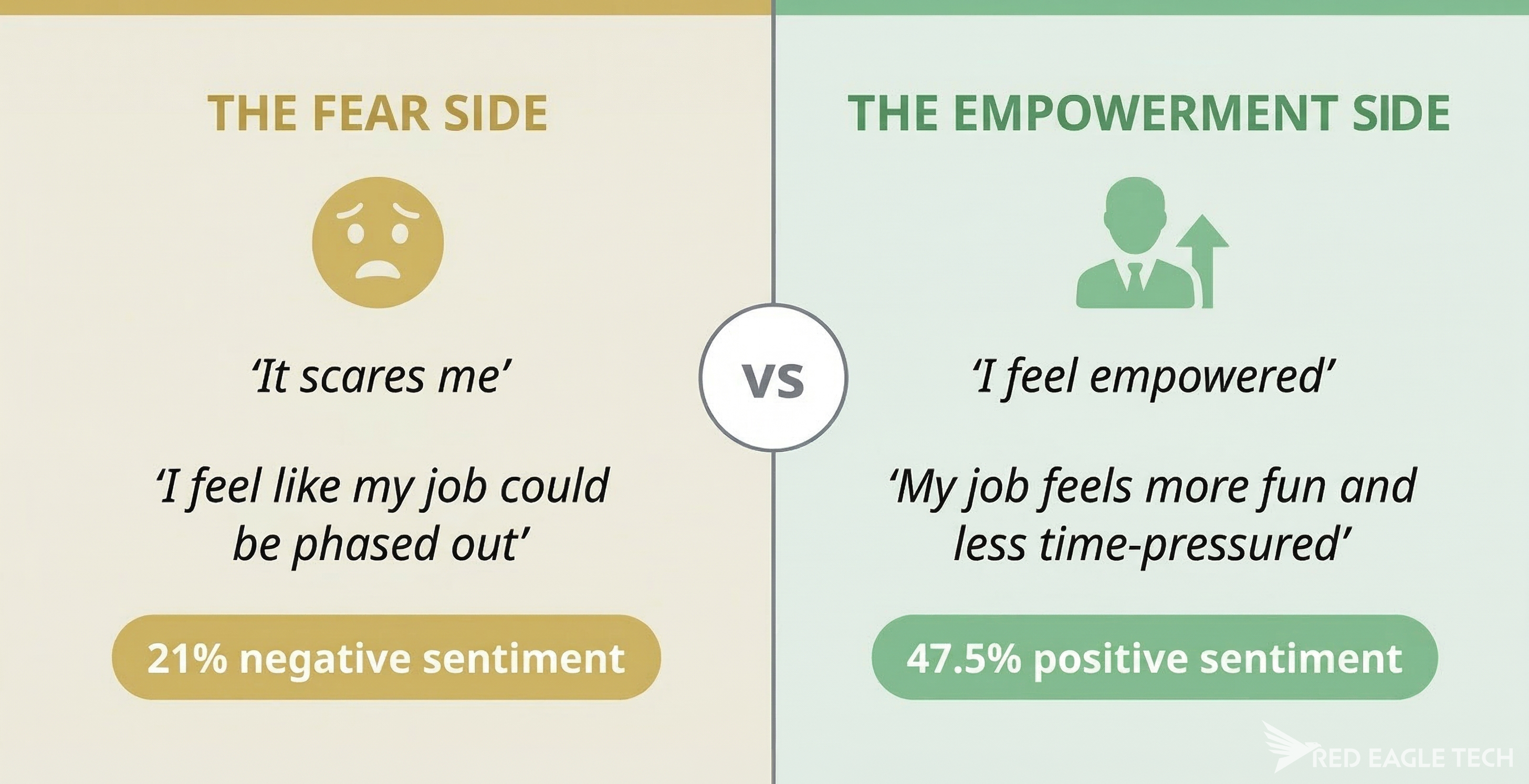
Responses from workers reflect contrasting experiences. Some in organisations without clear policies reported concern about job security and uncertainty over acceptable use. Others in workplaces with defined rules described time savings in tasks such as data entry and reported higher productivity when using AI tools.
The study also raises concerns for companies investing in standard AI subscriptions. It found that when approved tools require manual processes such as exporting and copying data, employees often revert to external tools that integrate more easily with their daily work.

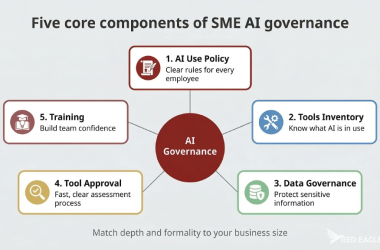
Red Eagle Tech recommends that employers introduce formal AI policies, consult staff on how tools could support their work, and adopt systems that integrate with existing business software.
The research was conducted in February 2026 using the Pollfish platform and focused on desk-based workers across the United Kingdom.